
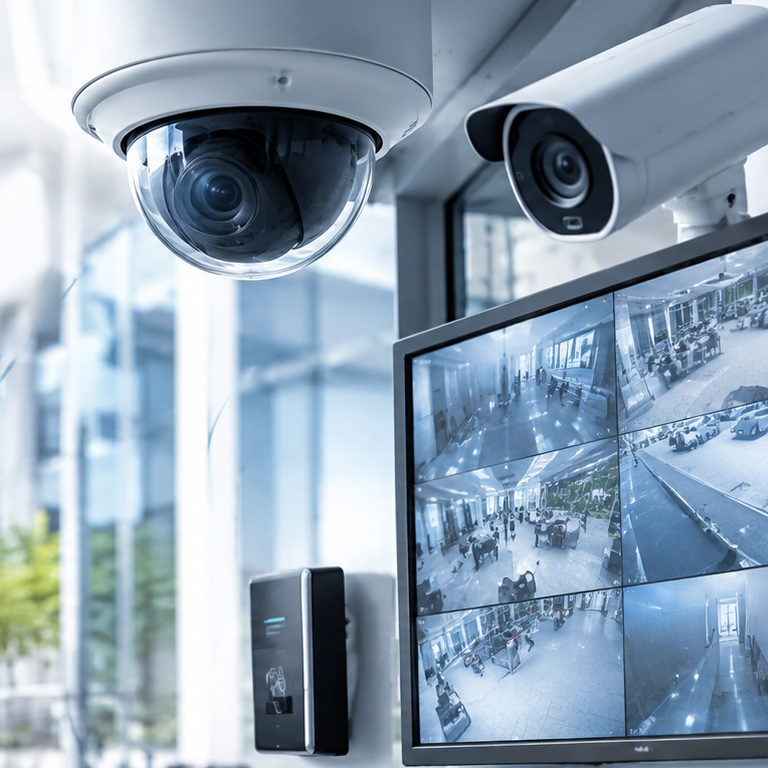
SSDNET focuses on applications requiring data collection, data visualization, image data interpretation, and integration with existing systems. SSDNET develops projects for remote management or personnel-independent management.
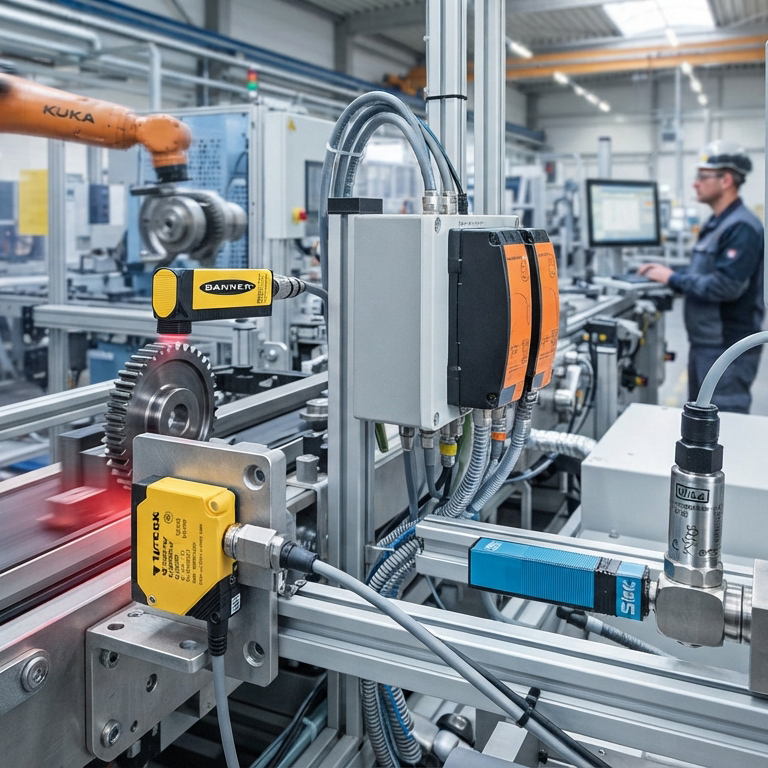
SSDNET bridges sensor and IoT technologies for monitoring industrial processes and the physical environment with project-specific needs. It focuses on applications requiring data collection, remote monitoring, and integration with existing systems.
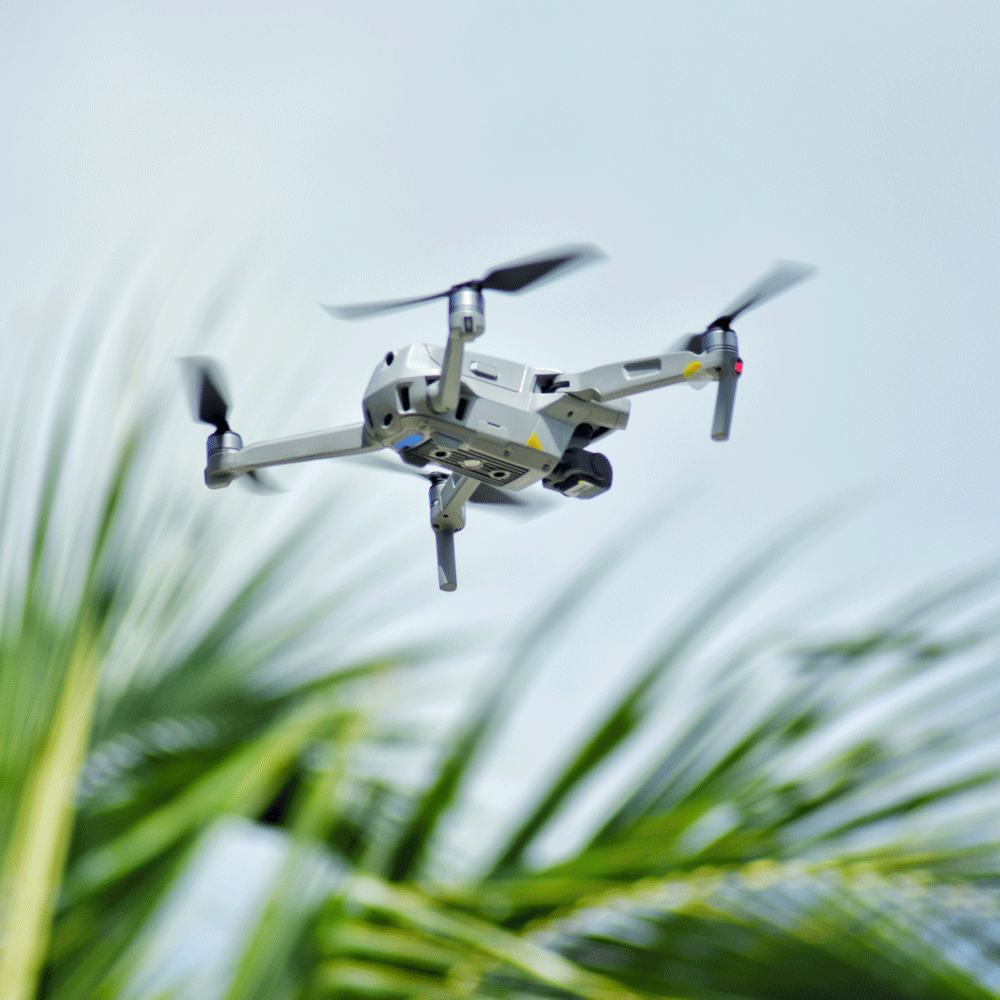
SSDNET works on radar, detection and specialized electronic systems for the surveillance of critical facilities and large areas. Solutions for border security, radar-assisted camera systems, and counter-aerial vehicle technologies.
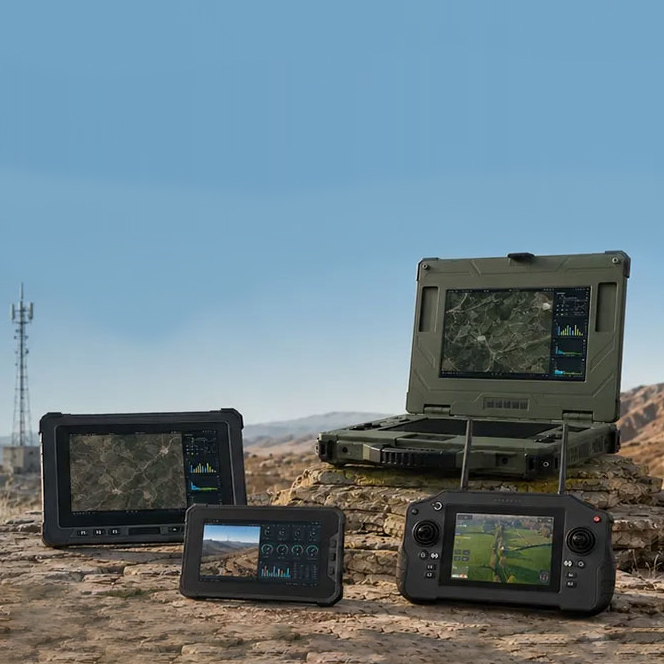
In portable security technologies, SSDNET utilizes data transmission and emerging battery technologies to develop projects for harsh field conditions or emergency preparedness such as earthquakes and forest fires.
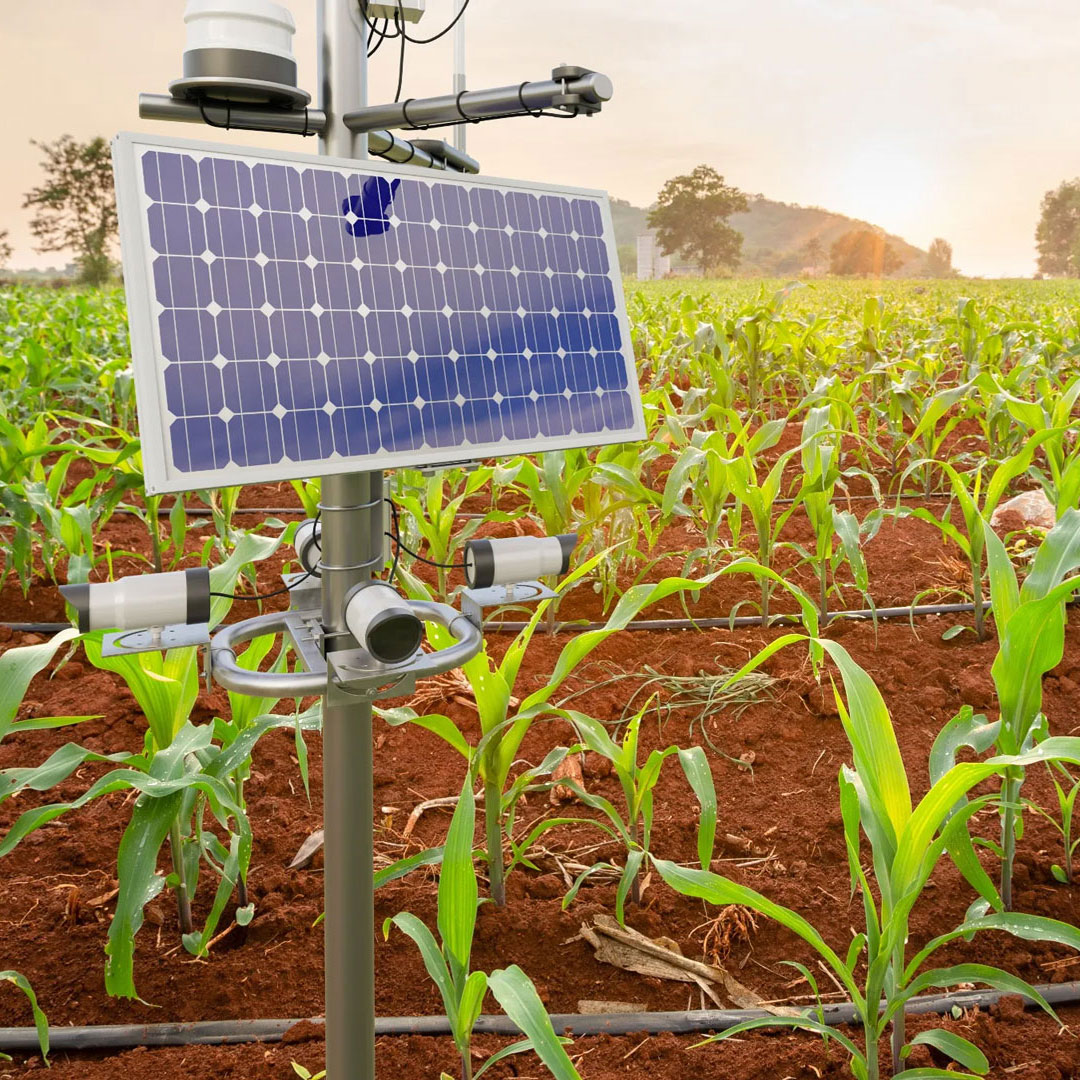
SSDNET offers technologies that support measurement, monitoring, and data-driven decision-making processes in agricultural production and open areas. SSDNET develops solutions with AI powered platforms and integrated use of field equipment, ranging from sensors to meteorological stations.

SSDNET evaluates solution alternatives across diverse technology sectors, from smart city applications to industrial automation, and from mobile field equipment to aviation and unmanned systems. For requirements falling outside standard product groups, it works on project-specific hardware and integration options.